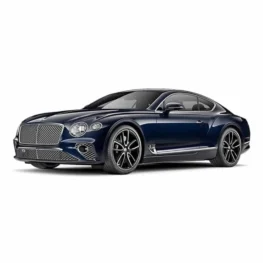
THE GRAND TOURER THAT OPENED A NEW ERA
The DB9 began a defining chapter for Aston Martin. It was the first production model built at Gaydon and the direct successor to the DB7, establishing the long-bonnet proportions and measured presence that shaped the marque’s modern grand tourers. The Imperial example pairs a dark metallic exterior with a saddle-toned leather cabin: a restrained specification that lets the form of the car speak for itself.
V12 CHARACTER, DELIVERED WITH RESTRAINT
The listed 6.0-litre V12 produces 540 HP and is paired with an automatic transmission. Its performance figures—0–100 km/h in 4.5 seconds and a maximum speed of 295 km/h—describe only part of its character. The DB9 is at its best as a fast, composed grand tourer, with the power delivered in a manner that feels substantial rather than theatrical.
A CABIN DEFINED BY MATERIAL AND PROPORTION
Inside, the DB9 places leather, metal and physical controls ahead of visual excess. The low driving position, clear instruments and carefully proportioned centre console create an environment that feels intimate without becoming austere. Integrated navigation, Bluetooth and USB connectivity support the journey without competing with the V12 or the craftsmanship around it.
WITHIN THE IMPERIAL ASTON MARTIN COLLECTION
The DB9 occupies a distinct place in the Imperial Aston Martin collection. It offers the traditional character of a naturally aspirated V12 grand tourer, while the DB12 represents Aston Martin’s newer V8 Super Tourer philosophy. It is more formal and long-legged than the Vantage Roadster, yet more intimate than the DBX models—a considered choice for clients who value elegance with genuine mechanical presence.